Why Global Companies Are Opening Middle East Headquarters in Riyadh
For years, multinational companies serving the Middle East typically ran their regional operations from Dubai.
Saudi Arabia wanted to change that.
So it gave global companies a powerful reason to put their regional headquarters in Riyadh: access to government contracts.
Since January 2024, Saudi government entities have generally been restricted from contracting with multinational companies that keep their regional headquarters outside the Kingdom and do not have a qualifying Saudi RHQ.
For companies that depend on Saudi government spending, that made Riyadh much harder to treat as just another local office. It became the price of admission to one of the region’s biggest state-driven markets.
Saudi Arabia used government spending as leverage
Saudi Arabia’s government, public entities and Vision 2030 projects represent major revenue opportunities across sectors such as technology, consulting, engineering, healthcare and infrastructure.
For companies exposed to that spending, staying outside Riyadh can mean sacrificing access to important contracts. The policy changes the calculation from “Should we open an office in Saudi Arabia?” to “How much business are we willing to give up if we don’t?”
That is what gives the RHQ programme its force. Saudi Arabia is using the scale of its market to bring more corporate decision-making into the Kingdom.
The incentives make the move easier
The pressure to relocate is backed by significant financial incentives.
Qualifying regional headquarters can receive a 0% corporate income tax rate on eligible RHQ income for 30 years, along with a 0% withholding-tax rate on certain qualifying payments.
The programme also offers support around work permits, staffing and relocation, helping reduce some of the friction involved in moving senior employees into Saudi Arabia.
The logic is straightforward: Saudi Arabia uses government contracts as the pressure, then tax and relocation incentives to make compliance more attractive.
Saudi Arabia wants real headquarters, not shell offices
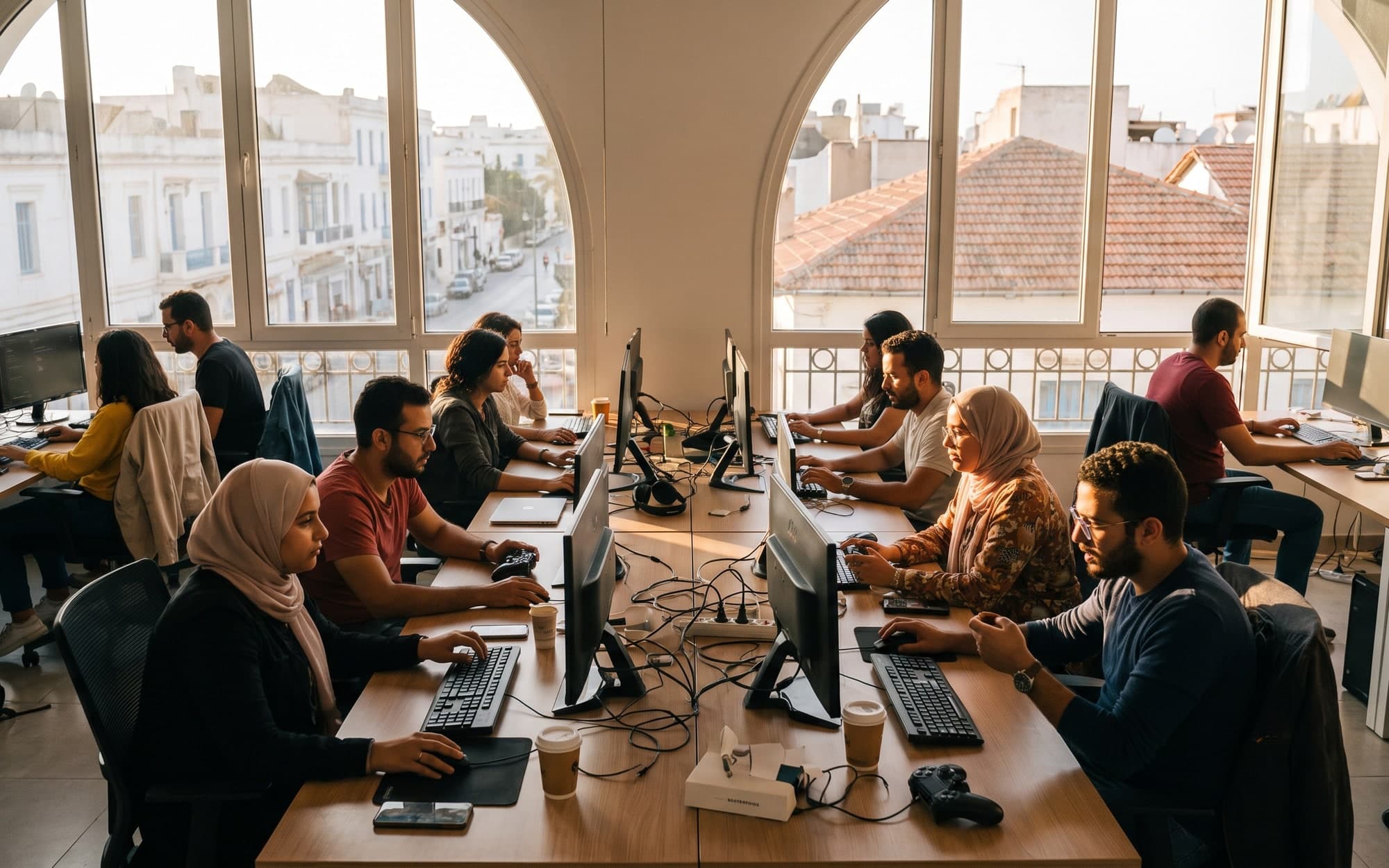
The programme is also designed to move actual corporate functions into Riyadh.
Regional headquarters are expected to perform strategic and management work such as budgeting, regional planning, market monitoring and financial reporting. Companies are also expected to build real teams in the Kingdom, including senior executives.
This matters because Saudi Arabia is trying to capture more than company registrations.
The goal is to bring senior jobs, decision-making, payroll and corporate spending into Riyadh.
The shift is already visible
The number of companies entering the programme has grown quickly.
Saudi Arabia had more than 200 licensed RHQ companies at the end of 2023. By January 2026, that figure had passed 700. Later estimates put participation above 750, with some market estimates exceeding 780 licences.
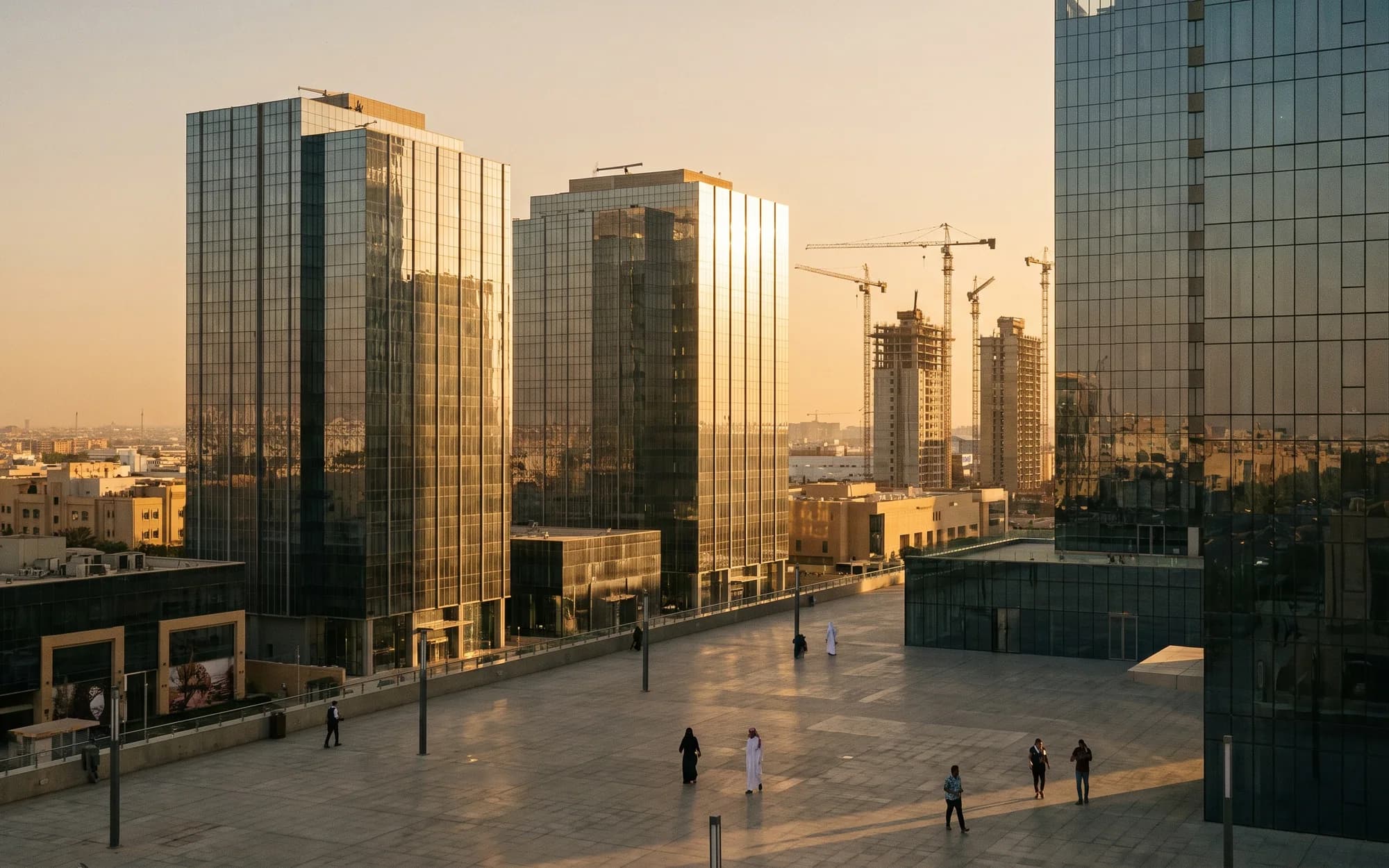
Riyadh’s office market reflects that demand too. Grade-A office occupancy reached 98% in the third quarter of 2025, while rents rose 15% year on year. Occupancy remained around 97% by the second quarter of 2026.
The headline numbers should still be read carefully. A licence does not necessarily mean an entire regional operation has moved to Riyadh. Some companies may relocate senior functions while keeping large teams elsewhere.
Dubai is still part of the picture
Most companies are not simply shutting down in Dubai and moving everything to Saudi Arabia.
A dual-hub model is emerging.
Riyadh is becoming more important for Saudi strategy, government relationships and senior leadership. Dubai continues to handle wider regional operations, shared services, logistics and other functions supported by its established commercial ecosystem.
So the change is less about Riyadh replacing Dubai and more about Saudi Arabia forcing multinational companies to rethink how they structure themselves across the Gulf.
The bigger shift
Saudi Arabia has combined market access, government purchasing power and tax incentives to make Riyadh increasingly difficult for global companies to ignore.
For businesses that want access to major Saudi contracts, keeping their regional centre entirely outside the Kingdom has become much harder.
That is why Riyadh is gaining headquarters so quickly: Saudi Arabia has made being there commercially valuable, financially attractive and, for some companies, increasingly necessary.
The week in MENA tech, every Monday. Free.
Keep pulling this thread