Why Gulf Startups Are Building Around the Corner Shop

- 01Start by solving everyday problems. Platforms like Sary help small retailers order stock from suppliers more efficiently.
- 02Inventory creates opportunities for financing. Once platforms understand retailers' purchasing habits, they can expand into credit and financing services.
- 03The neighbourhood shop can become a financial hub. Beyond selling groceries, local shops can support payments, cash deposits, withdrawals and other financial services.
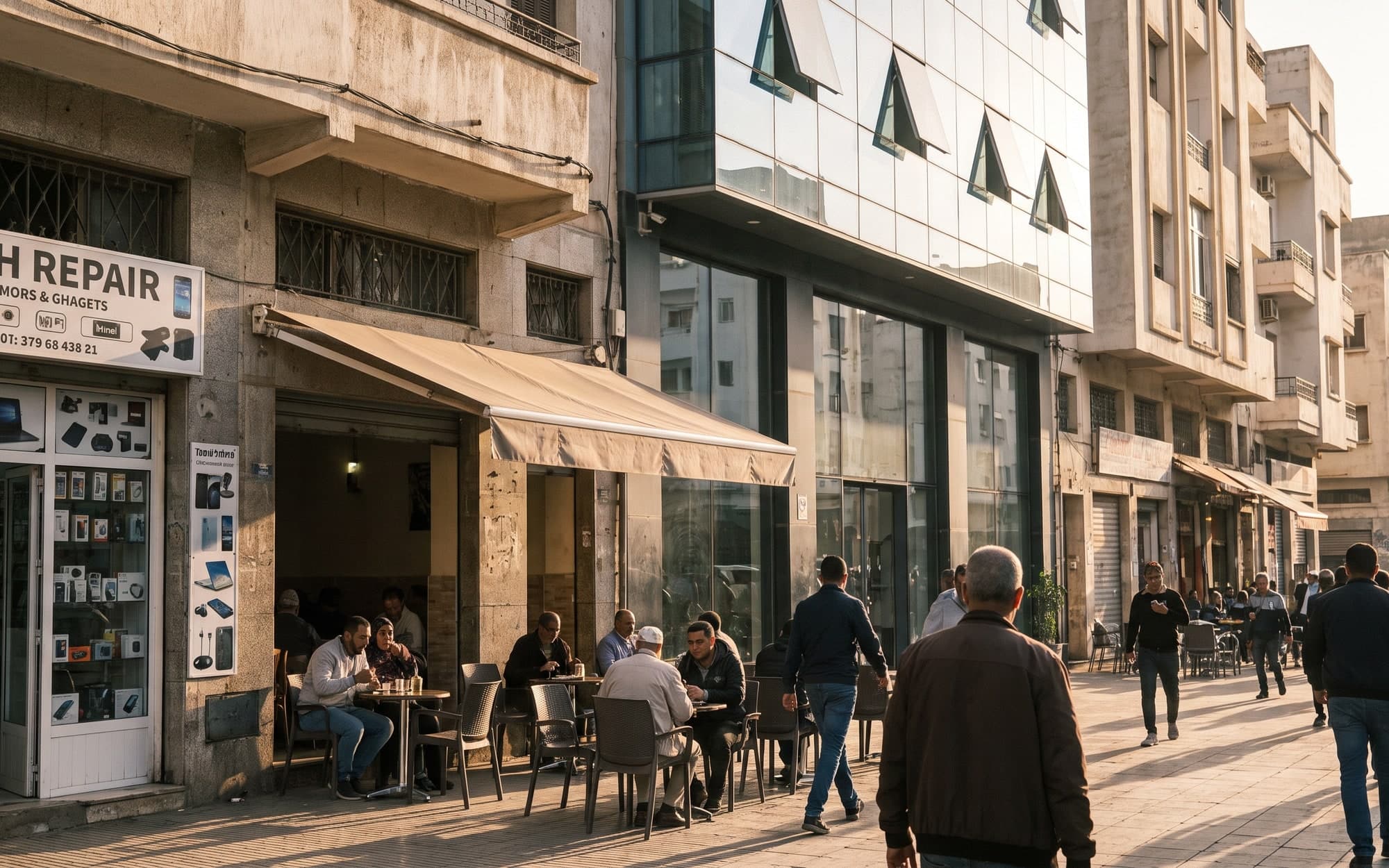
A neighbourhood shop can look like a small customer for a technology company.
It places modest orders, sells everyday products and serves people who live or work nearby. But it also buys stock repeatedly, manages payments and sometimes gives customers credit.
Saudi wholesale platform Sary built around those recurring needs. Its development helps explain why businesses serving small retailers increasingly combine ordering and delivery with financial services.
The groceries create the relationship. Other parts of running the shop create opportunities to deepen it.
The first problem is keeping the shelves stocked
Sary connects businesses with manufacturers and suppliers so they can purchase stock more efficiently.
For a small retailer, that can reduce the work of dealing with separate suppliers and arranging purchases. The platform becomes useful by taking over a task the shop already has to perform.
This is a different approach from building a service that competes with neighbourhood retailers for their customers. The shop stays in place; the technology changes how it operates.
Sary’s model also extends to businesses such as cafés and restaurants, which share the need to procure supplies regularly. Sary’s company description
Supplying stock leads naturally to questions about financing it
Making stock easier to order does not necessarily make it affordable.
A retailer may know which products customers want but lack the money to purchase enough of them. That creates another problem for the company handling its orders.
In April 2025, Sary merged with Bangladesh’s ShopUp to form SILQ Group. The announcement included $110 million in funding comprising equity and a financing facility, alongside plans for a dedicated financial-services arm.
The companies said their combined networks had already disbursed more than $750 million in financing. That was a cumulative, company-reported figure covering both businesses, rather than lending by Sary alone.
Sary’s founder Mohammed Aldossary was named CEO of SILQ Financial, putting the Saudi company’s leadership directly into the group’s financing expansion. Merger announcement
North African businesses show a similar progression
The pattern is visible beyond the Gulf, although the markets and regulations differ.
Egyptian platform MaxAB began by helping small retailers purchase groceries. Following its merger with Wasoko, the combined business continued expanding financial services alongside its supply-chain operations.
In a May 2025 announcement concerning an agreement to acquire Egyptian marketplace Fatura, MaxAB-Wasoko described access to credit as part of the service it wanted to provide retailers. Financing would help merchants purchase inventory through the platform. EFG Holding’s announcement
The commercial logic is straightforward: a company already involved in restocking a shop has a reason to help finance that stock.
It also has information about ordering behaviour that may help assess the business, although purchasing records alone cannot establish whether a loan will be repaid.
The same counter can distribute financial services
Morocco’s Chari illustrates another direction.
Its original ordering platform lets neighbourhood merchants buy products for resale. The group now also offers tools for recording customer credit, accepting payments and providing services such as cash deposits, withdrawals and mobile top-ups.
The shop becomes a place where customers can access financial services as well as buy goods.
Chari’s structure matters here. Chari Money holds a payment-institution licence from Morocco’s central bank. It is not a bank, and neither the group nor every shop in its network becomes one by offering those services. Chari’s explanation of its businesses
The difficult part remains physical
An ordering app still needs the correct products to reach the correct shop.
Delivery costs, stock availability and customer support can undermine the economics of small orders. Adding finance introduces further work around funding, credit assessment and collections.
Combining services therefore creates an opportunity, rather than a guarantee of a better business.
But the corner shop offers something valuable: a recurring relationship anchored in everyday trade.
For platforms such as Sary, the potential grows as they solve more of the problems surrounding that trade. A retailer that first arrives to buy stock may eventually use the same business to finance purchases and manage payments—while continuing to serve the same neighbourhood.
The week in MENA tech, every Monday. Free.
Keep pulling this thread