The Women Behind Some of MENA’s Biggest Companies
Trendyol is one of Turkey’s biggest technology companies. Insider sells its software to more than 1,500 brands across 28 countries. Huda Beauty became a global cosmetics business, while Hepsiburada became the first Turkish company to list on Nasdaq.
They were built in different cities, across different industries, and at very different moments in the region’s startup history.
But each had a woman on the founding team.
Across MENA, women have helped build some of the region’s largest companies in e-commerce, enterprise software, beauty, logistics, fintech and investing. Their stories also show how much broader the region’s entrepreneurial landscape has become.
The first generation built category-defining companies
Some of the biggest examples came from founders who entered categories that were still relatively early in their local markets.
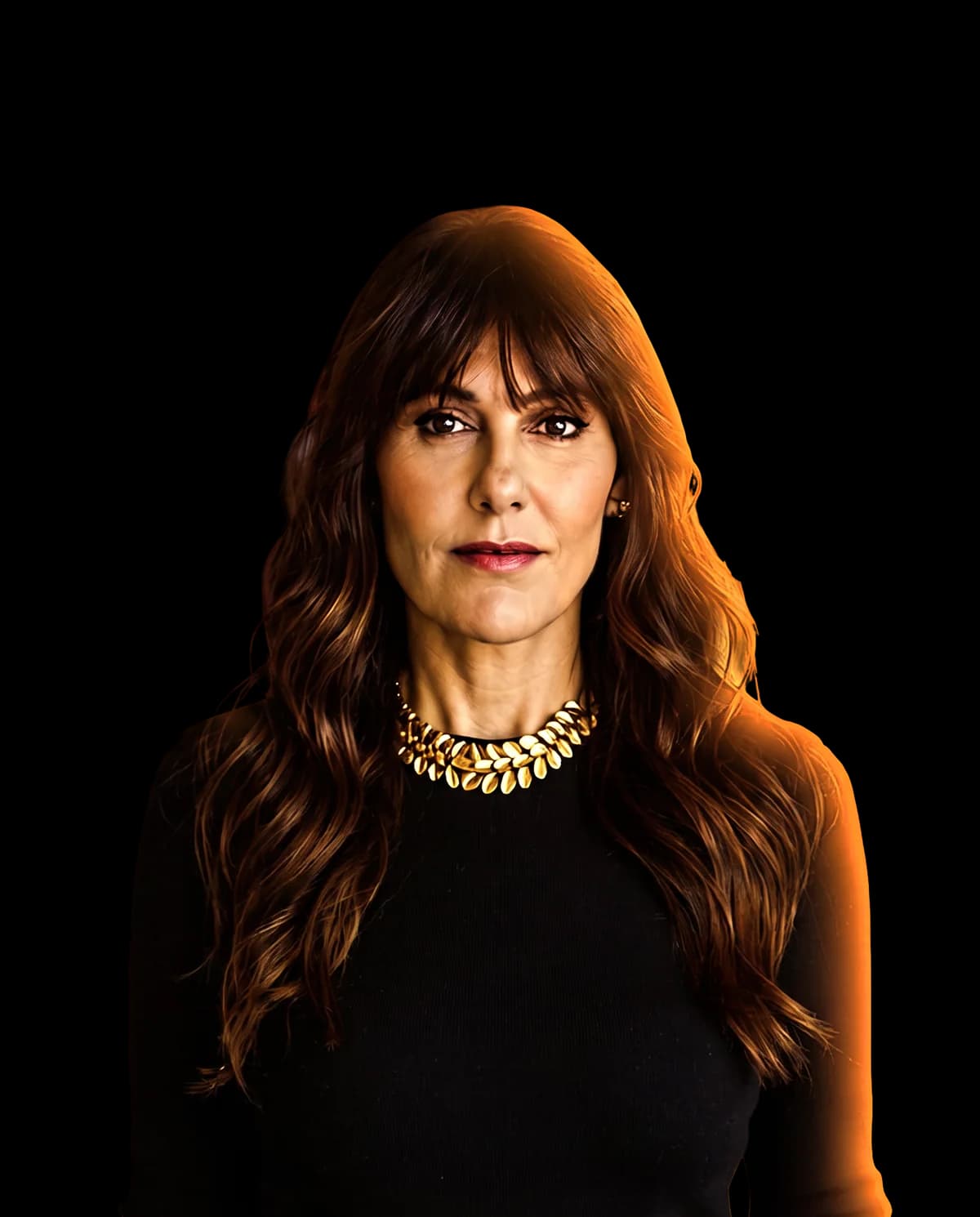
Demet Mutlu left Harvard Business School in 2010 to build Trendyol in Istanbul. What started as an online marketplace eventually became one of Turkey’s largest e-commerce companies. Alibaba led the 2021 funding round that valued Trendyol at $16.5 billion.
Hanzade Doğan Boyner started Hepsiburada even earlier, in 2000. The marketplace grew into one of Turkey’s biggest e-commerce platforms and became the first Turkish company to list on Nasdaq in 2021, at a valuation of $3.9 billion.
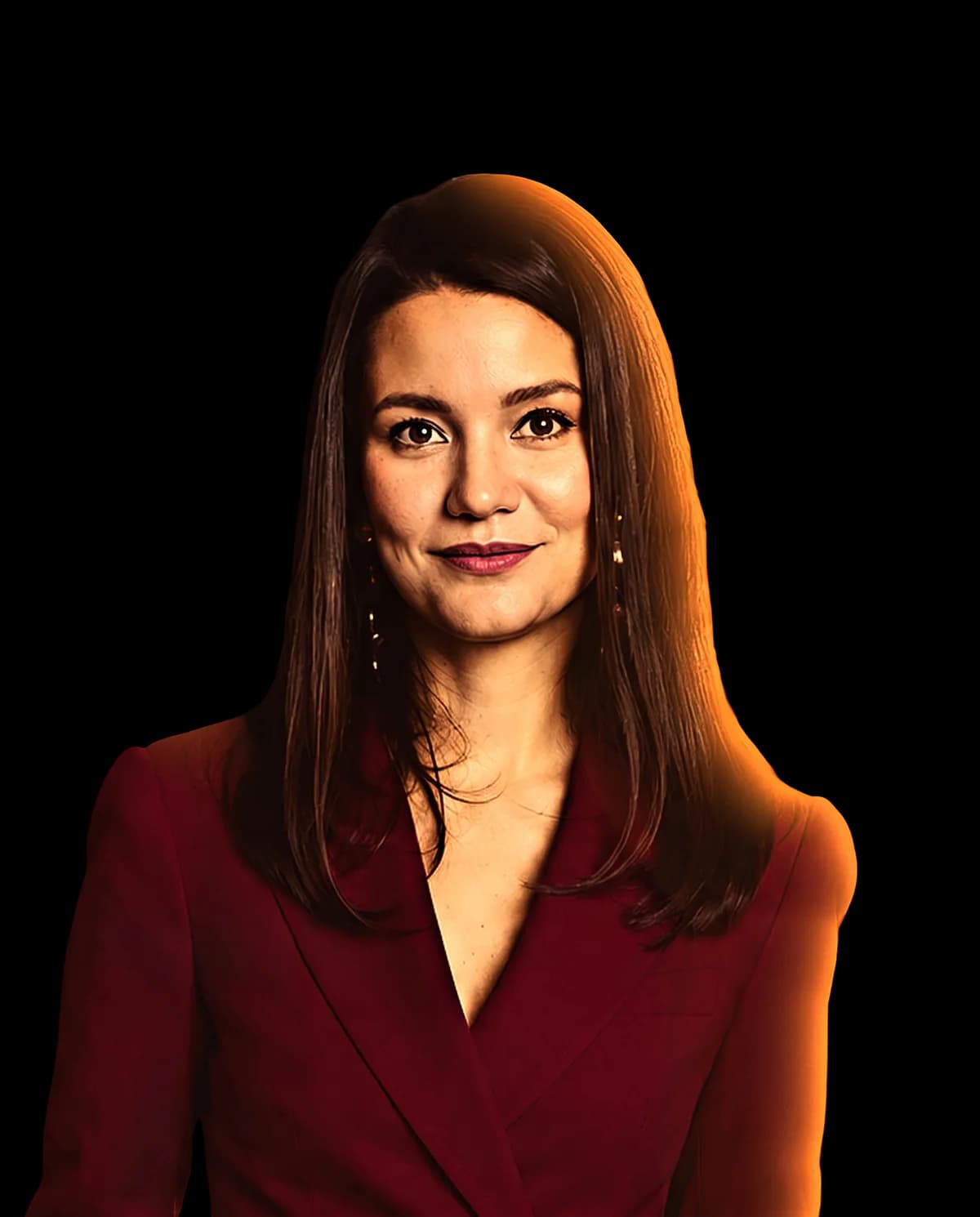
Huda Kattan followed a completely different path. She began with a beauty blog in 2010 and later built Huda Beauty with her sisters. The company grew into one of the world’s best-known independent beauty brands, with TSG Consumer Partners investing at a reported $1.2 billion valuation in 2017.
The common thread is less about industry and more about timing. These founders entered markets before the category around them had fully matured, then built companies large enough to help define it.
The next wave moved into software and infrastructure
The newer generation looks very different.
Hande Cilingir co-founded Insider in Istanbul to help brands predict customer behaviour and personalise marketing. The company has since grown into a major enterprise software business serving more than 1,500 brands across 28 countries, including Nike, L’Oréal, Toyota and Disney.
In Dubai, Rita Huang and Nancy Chen co-founded iMile around another problem created by the region’s digital economy: last-mile delivery. The company has since expanded across 30 countries and raised more than $100 million.
Qlub took on a different piece of infrastructure. Co-founded by Gizem Bodur as part of a larger founding team, the Dubai-based company lets restaurant customers pay at the table through a QR code rather than waiting for a conventional checkout process.
Together, these companies show how women founders in the region have moved far beyond consumer-facing categories. They are also building the software, logistics and payments infrastructure underneath the digital economy.
Fintech has become one of the strongest clusters
Several of the companies on the list sit in financial services.
Khazna was co-founded by Fatma Shafiq to build financial products for Egyptians underserved by traditional banks, including wallets, credit and salary advances.
Ziina, co-founded by Sara Toukan, built around mobile payments, making it easier for users to send and receive money through their phones.
Sarwa, co-founded by Nadine Mezher, made investing more accessible by giving ordinary users access to stocks, ETFs and other assets without needing a traditional private-banking relationship.
Mumzworld, founded by Mona Ataya and Leena Khalil, came from a different starting point but followed a similar logic. It built a specialised e-commerce platform for mothers and children at a time when that category was still fragmented online across the region.
These businesses are solving very different problems, but they share the same broader pattern: identifying a high-friction part of everyday life and building a digital layer around it.
Most of these companies were built by teams
It is also important to be precise about what “founded by women” means.
Many of these businesses were not built by solo female founders.
Several women here were one member of a larger founding team, often alongside men. In some cases, they were one of several co-founders rather than the sole driving force behind the company.
That does not weaken the significance of their role.
It simply reflects how large companies are usually built: by teams with different responsibilities across product, operations, technology, finance and growth.
The stronger point is that women were present at the creation of some of the region’s most consequential businesses, whether as sole founders, co-founders or members of much larger founding teams.
The companies span far more than one “women-led” category
The ten businesses also cut across a surprisingly wide range of sectors.
Trendyol and Hepsiburada are marketplaces.
Insider is enterprise software.
Huda Beauty sits in consumer beauty.
iMile is logistics.
Qlub, Khazna, Ziina and Sarwa are all financial-services businesses with very different models.
Mumzworld built a specialised e-commerce platform.
That breadth matters because it challenges the idea that women founders in the region are concentrated in a narrow set of industries.
Some of these founders built consumer brands. Others built infrastructure. Some created financial products. Others built software used by large enterprises.
The common feature is not sector. It is scale.
The scale is becoming harder to overlook
The numbers attached to these companies are also significant.
Trendyol reached a $16.5 billion valuation in its 2021 round. Insider was last reported at $2.5 billion. Huda Beauty was reportedly valued at $1.2 billion in 2017. Hepsiburada has traded around the $1 billion market-cap level.
The others have raised substantial amounts of capital even where public valuations are unavailable: iMile more than $100 million, Qlub $72 million, Khazna $63.5 million, Ziina $30.5 million, Sarwa $25 million and Mumzworld $24 million.
Those figures are not directly comparable, which is why they work better as evidence of scale than as a ranking.
What they show is that women founders are attached to companies operating at very different stages and sizes, from venture-backed growth businesses to multibillion-dollar platforms.
A broader shift in who builds the region’s biggest companies
The more interesting story is not simply that women have founded successful startups in MENA.
It is that women are now part of the founding teams behind companies large enough to shape entire categories.
Twenty years ago, Hepsiburada was one of the clearest examples.
Today, the picture is much wider. Women are helping build enterprise software, logistics networks, payments companies, investing platforms and consumer businesses with regional or global ambitions.
There is no single model for the women behind MENA’s biggest companies.
Some built alone. Others built with sisters, friends or much larger founding teams. Some created consumer brands. Others built infrastructure that most customers will never see.
What connects them is that the companies themselves have become difficult to ignore.
And that makes the more important story less about “women-founded startups” as a category, and more about how deeply women founders are already embedded in some of the region’s biggest business success stories.
Mentioned in this article

 UAERetail
Huda Kattan
Beauty blogger who turned a $6,000 lash launch into a $1.2bn brand, then bought it back
 TurkeyRetail
Demet Mutlu
Left Harvard Business School to found Trendyol, Turkey's first $16.5bn decacorn
 TurkeyRetail
Hanzade Doğan Boyner
Founded Hepsiburada in 2000 and took it to Nasdaq before selling control to Kaspi.kz
 TurkeyAI
Hande Çilingir

Built Insider into Turkey's first woman-founded unicorn after selling a language school
TurkeyAIInsider
AI platform that personalises marketing and customer engagement across channels
UAERetailHuda Beauty
Dubai-based cosmetics brand that grew from false lashes into a global make-up line
 TurkeyRetail
Hepsiburada
One of Turkey's largest e-commerce marketplaces, first Turkish company listed on Nasdaq
 TurkeyRetail
Trendyol
Turkey's largest e-commerce platform, started as an online fashion retailer
TSG Consumer Partners
Fund · backs 1 company
The week in MENA tech, every Monday. Free.
Keep pulling this thread